Discover the perfect timing for every gardening task in the Netherlands. Our seasonal guides align your efforts with the natural cycles of our unique climate, ensuring maximum success for your garden throughout the year.
From the first spring bulbs pushing through frost-kissed soil to autumn leaves carpeting harvested beds, learn when to plant, prune, harvest, and rest. Our expert advice considers the Netherlands' maritime climate, variable weather patterns, and soil conditions to guide you through each season.
Explore the CalendarClick on any month to discover key tasks, planting schedules, and expert tips tailored to the Netherlands' climate. Our calendar reflects the country's temperate maritime climate with mild winters, cool summers, and variable weather that can change rapidly.
Choose a month from the calendar above to see detailed gardening tasks and recommendations for that time of year in the Netherlands.
Dive deeper into seasonal gardening topics with our comprehensive guides. Each article provides detailed instructions, expert tips, and Netherlands-specific advice to help you master every aspect of seasonal gardening.
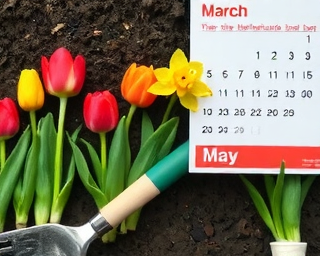
Master the art of spring planting in our variable climate. Learn frost protection techniques, soil preparation, and the best crops for early season success.
Read More
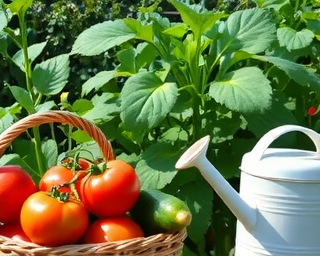
Keep your garden productive through the summer months. Discover watering strategies, pest management, and succession planting for continuous harvests.
Read More
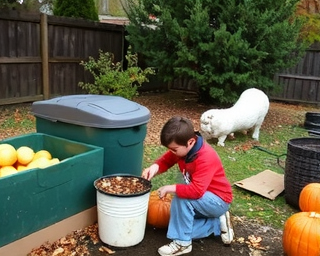
Prepare your garden for winter while harvesting the last crops. Learn soil improvement, bulb planting, and winter protection techniques.
Read MoreBe inspired by real Dutch gardeners who have mastered seasonal gardening. These stories showcase the rewards of following nature's rhythm and adapting to our unique climate.
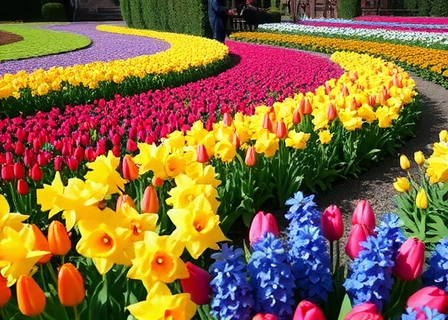
The Netherlands experiences a temperate maritime climate that influences gardening throughout the year. Understanding these seasonal patterns is key to successful gardening in our country.
Spring in the Netherlands brings variable weather with possible late frosts. Average temperatures range from 5-15°C, with increasing daylight hours. This is prime time for starting seeds indoors and planting frost-tolerant crops.
Key tasks include soil preparation, bulb planting, and early vegetable sowing. Gardeners must watch for late frosts, which can damage tender plants. The increasing warmth and light encourage rapid growth once established.
Summer temperatures average 15-22°C with long daylight hours. This is the peak growing season with abundant warmth and light. However, occasional cool periods and rain showers require vigilance.
Focus on watering, pest control, and harvesting. Many crops reach maturity during summer, and succession planting ensures continuous harvests. Heat-loving plants thrive, but protection from intense sun may be needed for some varieties.
Autumn brings cooling temperatures (5-15°C) and shorter days. This season is perfect for planting perennials and preparing the garden for winter. Harvest continues with hardy crops.
Key activities include bulb planting for spring display, soil improvement, and winter protection. Gardeners collect seeds and prepare compost. The mild weather allows for extended harvesting of cool-season crops.
Winter temperatures range from 0-7°C with short daylight hours. While growth slows, this is an important planning and maintenance season. Some hardy crops can still be harvested.
Focus on planning for the next year, indoor seed starting, and garden maintenance. Protect plants from frost and wind. This quiet season allows gardeners to study, plan, and prepare for the busy growing months ahead.